Wednesday, October 10, 2012

Hypertension

Hypertension, also referred to as high blood pressure, is a condition in which the arteries have persistently elevated blood pressure. Every time the human heart beats, it pumps blood to the whole body through the arteries.


Blood pressure is the force of blood pushing up against the blood vessel walls. The higher the pressure the harder the heart has to pump.

Hypertension can lead to damaged organs, as well as several illnesses, such as renal failure (kidney failure), aneurysm, heart failure, stroke, or heart attack.

The normal level for blood pressure is below 120/80, where 120 represents the systolic measurement (peak pressure in the arteries) and 80 represents the diastolic measurement (minimum pressure in the arteries). Blood pressure between 120/80 and 139/89 is called prehypertension (to denote increased risk of hypertension), and a blood pressure of 140/90 or above is considered hypertension.
 

What causes hypertension?

Though the exact causes of hypertension are usually unknown, there are several factors that have been highly associated with the condition. These include:

  • ·                        Smoking
  • ·                        Obesity or being overweight
  • ·                        Diabetes
  • ·                        Sedentary lifestyle
  • ·                        Lack of physical activity
  • ·                        High levels of salt intake (sodium sensitivity)
  • ·                        Insufficient calcium, potassium, and magnesium consumption
  • ·                        Vitamin D deficiency
  • ·                        High levels of alcohol consumption
  • ·                        Stress
  • ·                        Aging
  • ·                        Medicines such as birth control pills
  • ·                        Genetics and a family history of hypertension 
  • ·                        Chronic kidney disease

Symptoms of Hypertension

There is no guarantee that a person with hypertension will present any symptoms of the condition. About 33% of people actually do not know that they have high blood pressure, and this ignorance can last for years. For this reason, it is advisable to undergo periodic blood pressure screenings even when no symptoms are present.  

Extremely high blood pressure may lead to some symptoms, however, and these include:

  • ·                        Severe headaches
  • ·                        Fatigue or confusion
  • ·                        Dizziness
  • ·                        Nausea
  • ·                        Problems with vision
  • ·                        Chest pains
  • ·                        Breathing problems
  • ·                        Irregular heartbeat
  • ·                        Blood in the urine

How is hypertension diagnosed?

Hypertension may be diagnosed by a health professional who measures blood pressure with a device called a sphygmomanometer - the device with the arm cuff, dial, pump, and valve. The systolic and diastolic numbers will be recorded and compared to a chart of values. If the pressure is greater than 140/90, you will be considered to have hypertension. 

In order to perform a more thorough diagnosis, physicians usually conduct a physical exam and ask for the medical history of you and your family. Doctors will need to know if you have any of the risk factors for hypertension, such as smoking, high cholesterol, or diabetes.

How can hypertension be prevented?

Hypertension can best be prevented by adjusting your lifestyle so that proper diet and exercise are key components. It is important to maintain a healthy weight, reduce salt intake, reduce alcohol intake, and reduce stress.

TREATMENT

The main goal of treatment for hypertension is to lower blood pressure to less than 140/90 - or even lower in some groups such as people with diabetes, and people with chronic kidney diseases. Treating hypertension is important for reducing the risk of stroke, heart attack, and heart failure. 

High blood pressure may be treated medically, by changing lifestyle factors, or a combination of the two. Important lifestyle changes include losing weight, quitting smoking, eating a healthful diet, reducing sodium intake, exercising regularly, and limiting alcohol consumption. 

Medical options to treat hypertension include several classes of drugs. ACE inhibitors, ARB drugs, beta-blockers, diuretics, calcium channel blockers, alpha-blockers, and peripheral vasodilators are the primary drugs used in treatment. These medications may be used alone or in combination, and some are only used in combination. In addition, some of these drugs are preferred to others depending on the characteristics of the patient (diabetic, pregnant, etc.). 

If blood pressure is successfully lowered, it is wise to have frequent checkups and to take preventive measures to avoid a relapse of hypertension.

R. Y. MANABAT, R.N. 

 You may be interested to know 13 Ways to Lower Blood Pressure Naturally


Thursday, September 27, 2012

Skin Asthma


WHAT IS SKIN ASTHMA?
 
Skin asthma is called atopic dermatitis, commonly referred to as eczema. Atopic dermatitis is a disease that causes the skin to get very itchy and inflamed when irritated by an allergen. Many people who suffer from atopic dermatitis have to alter their lifestyles to avoid breaking out into severe rashes.


CAUSES OF SKIN ASTHMA
The exact cause of atopic dermatitis is unknown although it is seems that it is caused by both genetic and environmental factors.


SYMPTOMS
The exact symptoms for someone with eczema vary from person to person, but they usually all have dry, itchy skin. The skin can appear red and scaly, thick and leathery, bumpy, or it can leak fluid and become crusty and infected.


IRRITANTS
People with atopic dermatitis are commonly allergic to wool and synthetic fibers, soaps and detergents, chlorine, dust or sand, and cigarette smoke. Atopic dermatitis also tends to worsen when people are in stressful situations.


TREATMENT
Skin Allergy Treatment – 6 Ways to Cure Skin Problems

At some point, almost everyone suffers from skin irritation. The first step to treating itchy, dry, red skin is to figure out if there is an underlying allergy, or some other problem that is causing the flare-ups. By eliminating what the triggers are, you can find the best treatment option. This cause could range from seasonal allergies to contact dermatitis.

1. Identify the trigger. It’s virtually impossible to find a real lasting skin allergy treatment without figuring out what is triggering this allergy. Food allergies, exposure to dust, mold, or the outside elements can all be factors.

2. Moisturize your skin. Find a moisturizer that has anti-inflammatory properties, which can be prescribed by your doctor as part of a skin allergy treatment.

3. Think about dietary changes. Certain foods have been shown to improve the skin’s condition, naturally. Skin allergy treatment options could include eating more of these foods, such as flaxseed oil, avocados, walnuts, and anything high in vitamins A, C and E.

4. Use natural forms of seasonal allergy relief. Itchy skin can be soothed with natural treatments such as an oatmeal bath. If you have sensitive skin, always ask a dermatologist before taking any skin allergy treatment, however.

5. Exercise caution around pets. One of the leading causes of skin allergies is exposure to pet dander and fur. This may manifest itself in respiratory disorders, but skin problems are also quite common.

6. Use antihistamines. These medications are the most frequently prescribed by doctors for skin allergy treatment, because they reduce redness, itching, and other common symptoms of eczema, hives, or other flare-ups.

R. Y. MANABAT, R.N.


Tuesday, July 31, 2012

Asthma


Asthma is an inflammatory disorder of the airways, which causes attacks of wheezing, shortness of breath, chest tightness, and coughing.
Symptoms
 Cough with or without sputum (phlegm) production.
Pulling in of the skin between the ribs when breathing.
Shortness of breath that gets worse with exercise or activity.
Wheezing -is a high-pitched whistling sound during breathing. It occurs when air flows through narrowed breathing tubes
  • ·            Comes in episodes
  • ·            May be worse at night or in early morning
  • ·            May go away on its own
  • ·            Gets better when using drugs that open the airways (bronchodilators)
  • ·            Gets worse when breathing in cold air
  • ·            Gets worse with exercise
  • ·            Gets worse with heartburn (reflux)
  • ·            Usually begins suddenly

 Emergency Symptoms
  • ·                 Decreased level of alertness such as severe drowsiness or confusion, during an asthma attack
  • ·                 Extreme difficulty breathing
  • ·                 Rapid pulse
  • ·                 Severe anxiety due to shortness of breath
  • ·                 Sweating

Asthma symptoms can be substantially reduced by avoiding known triggers and substances that irritate the airways.
· Colds and viruses
· Irritants like cigarette smoke, scent, pollution 
· Cold air or change in weather
· Physical exertion 
· Allergens like dust, mite, pollen, furs
· Some medications
· Infections


·                  Asthma cannot be cured, but it can be controlled
·                  Keep the house clean 
·                  Use hardwood floors or tile 
·                  Avoid carpets in house
·                  Avoid pets with fur or feathers 
·                  Use clean bed sheets & pillow covers 
·                  Use bed made of synthetic materials 
·                  Use air conditioner 
·                  Maintain low humidity at home 


 Anti-inflammatory drugs include:
a. Steroid Inhalers
b. Sodium Chromoglycate 

Inhalers / Capsules

 Bronchodilators.    Common bronchodilators include:
a. Salbutamol Inhalers
b. Terbutaline Tabs

Consult your Pulmonologist.  For references, you may visit ASTHMA FREE E-BOOKS,

R. Y. MANABAT, R.N.

Thursday, July 26, 2012

Heart Attack

The National Heart Lung and Blood Institute (US) has published the following article:

What Is a Heart Attack?

A heart attack occurs if the flow of oxygen-rich blood to a section of heart muscle suddenly becomes blocked. If blood flow isn't restored quickly, the section of heart muscle begins to die.  Heart attacks are a leading killer of both men and women in the United States. The good news is that excellent treatments are available for heart attacks. These treatments can save lives and prevent disabilities.   Heart attack treatment works best when it's given right after symptoms occur. If you think you or someone else is having a heart attack, call 9–1–1 right away.

Overview

Heart attacks most often occur as a result of coronary heart disease (CHD), also called coronary artery disease. CHD is a condition in which a waxy substance called plaque (plak) builds up inside the coronary arteries. These arteries supply oxygen-rich blood to your heart.  When plaque builds up in the arteries, the condition is called atherosclerosis (ath-er-o-skler-O-sis). The buildup of plaque occurs over many years.  Eventually, an area of plaque can rupture (break open) inside of an artery. This causes a blood clot to form on the plaque's surface. If the clot becomes large enough, it can mostly or completely block blood flow through a coronary artery.   If the blockage isn't treated quickly, the portion of heart muscle fed by the artery begins to die. Healthy heart tissue is replaced with scar tissue. This heart damage may not be obvious, or it may cause severe or long-lasting problems.

A less common cause of heart attack is a severe spasm (tightening) of a coronary artery. The spasm cuts off blood flow through the artery. Spasms can occur in coronary arteries that aren't affected by atherosclerosis.  Heart attacks can be associated with or lead to severe health problems, such as heart failure and life-threatening arrhythmias (ah-RITH-me-ahs).  Heart failure is a condition in which the heart can't pump enough blood to meet the body's needs. Arrhythmias are irregular heartbeats. Ventricular fibrillation is a life-threatening arrhythmia that can cause death if not treated right away.

Get Help Quickly

Acting fast at the first sign of heart attack symptoms can save your life and limit damage to your heart. Treatment works best when it's given right after symptoms occur.   Heart attack symptoms include:
  • Chest pain or discomfort. This involves uncomfortable pressure, squeezing, fullness, or pain in the center or left side of the chest that can be mild or strong. This discomfort or pain often lasts more than a few minutes or goes away and comes back.
  • Upper body discomfort in one or both arms, the back, neck, jaw, or upper part of the stomach.
  • Shortness of breath, which may occur with or before chest discomfort.
  • Nausea (feeling sick to your stomach), vomiting, light-headedness or sudden dizziness, or breaking out in a cold sweat.
Symptoms also may include sleep problems, fatigue (tiredness), and lack of energy.   If you think you or someone else may be having a heart attack, call 9–1–1 right away. Quick treatment can save your life.  Do not drive to the hospital or let someone else drive you. Call an ambulance so that medical personnel can begin life-saving treatment on the way to the emergency room. Take a nitroglycerin pill if your doctor has prescribed this type of treatment.

Outlook

Each year, about 1.2 million people in the United States have heart attacks, and many of them die. CHD, which often results in heart attacks, is the leading killer of both men and women in the United States.   Many more people could survive or recover better from heart attacks if they got help faster. Of the people who die from heart attacks, about half die within an hour of the first symptoms and before they reach the hospital.

Other Names for a Heart Attack:
  • Myocardial infarction (MI)
  • Acute myocardial infarction (AMI)
  • Acute coronary syndrome
  • Coronary thrombosis
  • Coronary occlusion


What Causes a Heart Attack?

Coronary Heart Disease

A heart attack happens if the flow of oxygen-rich blood to a section of heart muscle suddenly becomes blocked. Most heart attacks occur as a result of coronary heart disease (CHD).   CHD is a condition in which a waxy substance called plaque builds up inside of the coronary arteries. These arteries supply oxygen-rich blood to your heart.   When plaque builds up in the arteries, the condition is called atherosclerosis. The buildup of plaque occurs over many years.   Eventually, an area of plaque can rupture (break open) inside of an artery. This causes a blood clot to form on the plaque's surface. If the clot becomes large enough, it can mostly or completely block blood flow through a coronary artery.   If the blockage isn't treated quickly, the portion of heart muscle fed by the artery begins to die. Healthy heart tissue is replaced with scar tissue. This heart damage may not be obvious, or it may cause severe or long-lasting problems.

Coronary Artery Spasm

A less common cause of heart attack is a severe spasm (tightening) of a coronary artery. The spasm cuts off blood flow through the artery. Spasms can occur in coronary arteries that aren't affected by atherosclerosis.  What causes a coronary artery to spasm isn't always clear. A spasm may be related to:
  • Taking certain drugs, such as cocaine
  • Emotional stress or pain
  • Exposure to extreme cold
  • Cigarette smoking


Who Is at Risk for a Heart Attack?

Certain risk factors make it more likely that you'll develop coronary heart disease (CHD) and have a heart attack. You can control many of these risk factors.

Risk Factors You Can Control

The major risk factors for a heart attack that you can control include:
Some of these risk factors—such as obesity, high blood pressure, and high blood sugar—tend to occur together. When they do, it's called metabolic syndrome.  In general, a person who has metabolic syndrome is twice as likely to develop heart disease and five times as likely to develop diabetes as someone who doesn't have metabolic syndrome.   For more information about the risk factors that are part of metabolic syndrome, go to the Health Topics Metabolic Syndrome article.

Risk Factors You Can't Control

Risk factors that you can't control include:
  • Age. The risk of heart disease increases for men after age 45 and for women after age 55 (or after menopause).
  • Family history of early heart disease. Your risk increases if your father or a brother was diagnosed with heart disease before 55 years of age, or if your mother or a sister was diagnosed with heart disease before 65 years of age.
  • Preeclampsiaexternal link icon (pre-e-KLAMP-se-ah). This condition can develop during pregnancy. The two main signs of preeclampsia are a rise in blood pressure and excess protein in the urine. Preeclampsia is linked to an increased lifetime risk of heart disease, including CHD, heart attack, heart failure, and high blood pressure.

What Are the Signs and Symptoms of a Heart Attack?

Not all heart attacks begin with the sudden, crushing chest pain that often is shown on TV or in the movies. In one study, for example, one-third of the patients who had heart attacks had no chest pain. These patients were more likely to be older, female, or diabetic.

The warning signs and symptoms of a heart attack aren't the same for everyone. Many heart attacks start slowly as mild pain or discomfort. Some people don't have symptoms at all. Heart attacks that occur without any symptoms or very mild symptoms are called silent heart attacks.

Chest Pain or Discomfort

The most common heart attack symptom is chest pain or discomfort. This includes new chest pain or discomfort or a change in the pattern of existing chest pain or discomfort.

Most heart attacks involve discomfort in the center or left side of the chest that often lasts for more than a few minutes or goes away and comes back. The discomfort can feel like uncomfortable pressure, squeezing, fullness, or pain. The feeling can be mild or severe.

Heart attack pain sometimes feels like indigestion or heartburn.

The symptoms of angina (an-JI-nuh or AN-juh-nuh) can be similar to the symptoms of a heart attack. Angina is chest pain that occurs in people who have coronary heart disease, usually when they're active. Angina pain usually lasts for only a few minutes and goes away with rest.

Chest pain or discomfort that doesn't go away or changes from its usual pattern (for example, occurs more often or while you're resting) can be a sign of a heart attack.

All chest pain should be checked by a doctor.

Other Common Signs and Symptoms

Other common signs and symptoms of a heart attack include new onset of:
  • Upper body discomfort in one or both arms, the back, neck, jaw, or upper part of the stomach
  • Shortness of breath, which may occur with or before chest discomfort
  • Nausea (feeling sick to your stomach), vomiting, light-headedness or sudden dizziness, or breaking out in a cold sweat
  • Sleep problems, fatigue (tiredness), or lack of energy
Not everyone having a heart attack has typical symptoms. If you've already had a heart attack, your symptoms may not be the same for another one. However, some people may have a pattern of symptoms that recur.  The more signs and symptoms you have, the more likely it is that you're having a heart attack.


Act Fast!

The signs and symptoms of a heart attack can develop suddenly. However, they also can develop slowly—sometimes within hours, days, or weeks of a heart attack.

Know the warning signs of a heart attack so you can act fast to get treatment for yourself or someone else. The sooner you get emergency help, the less damage your heart will sustain.

Call 9–1–1 for help right away if you think you or someone else may be having a heart attack. You also should call for help if your chest pain doesn't go away as it usually does when you take medicine prescribed for angina.

Do not drive to the hospital or let someone else drive you. Call an ambulance so that medical personnel can begin life-saving treatment on the way to the emergency room.


For references, visit Free E-Books on Heart Disease.

Sunday, July 15, 2012

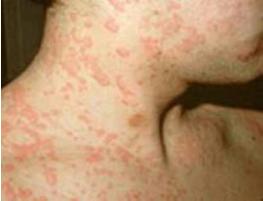
Skin Rashes


SKIN RASHES
are abnormal changes in the skin color or texture, By another definition, a rash is a breaking out of the skin.

Rashes According To Size, Shape, and Consistency
A macule is a small skin discoloration in the level of the skin, neither raised, nor depressed, and therefore non-palpable.

 A papule  is a small (<1cm) palpable, raised, solid, flat skin spot.

Red Rashes

An erythema refers to a skin redness that affects a localized area (> 1cm) of the skin, due to an inflammation of the skin, like in sunburn, systemic lupus erythematosus or erythema nodosum. Erythema results from dilation (widening) and congestion of the skin capillaries.


An eczema refers to a localized area of inflamed skin that is red, scaly, and covered with vesicles or crusts. It is a result of an allergic or non-allergic response to skin irritation.


Hives or urticaria  is a slightly raised, pink or red, bumpy or patchy rash that usually itches. It is a symptom of an allergic reaction, mediated by substance histamine, and represents accumulation of fluid and inflammatory cells that came out from the skin blood vessels. It may be a result of a skin irritation, or allergic reaction to foods, medicines, hair dyes or other substances.


DIAPER RASH

This is a common type of contact dermatitis that occurs in most infants who wear diapers when feces and urine are in contact with skin for too long.


HOW TO TREAT RASHES

Most rashes are not dangerous to a person or people in the vicinity (unless they are part of an infectious disease such as chickenpox). Many rashes last a while and get better on their own. It is therefore not unreasonable to treat symptoms like itchy and/or dry skin for a few days to see whether the condition gets milder and goes away.
Non-prescription (over-the-counter) remedies include: anti-itch creams containing camphor, menthol, pramoxine (Itch-X), or diphenhydramine (Benadryl); antihistamines like diphenhydramine, chlortrimeton, or loratadine (Claritin, Claritin RediTabs, Alavert); and moisturizing lotions.

Home Care:

Most simple rashes will improve with gentle skin care and avoiding irritating substances. Follow these general guidelines:
  • Avoid scrubbing your skin.
  • Use as little soap as possible. Use gentle cleansers instead.
  • Avoid applying cosmetic lotions or ointments directly on the rash.
  • Use warm (not hot) water for cleaning. Pat dry, don't rub.
  • Eliminate any newly added cosmetics or lotions.
  • Leave the affected area exposed to the air as much as possible.
  • Try calamine medicated lotion for poison ivy, oak, or sumac as well as other types of contact dermatitis.

Call your health care provider if:

  • You are short of breath, your throat is tight, or your face is swollen
  • Your child has a purple rash that looks like a bruise
Call your health care provider if:
  • You have joint pain, fever, or a sore throat
  • You have streaks of redness, swelling, or very tender areas as these may indicate an infection
  • You are taking a new medication -- DO NOT change or stop any of your medications without talking to your doctor
  • You may have a tick bite
  • Home treatment doesn't work, or your symptoms get worse.  
 R. Y. MANABAT, R.N.

For references, you may visit Free Dermatology Ebooks.